Quick Background
Map of 7 churches in Asia Minor
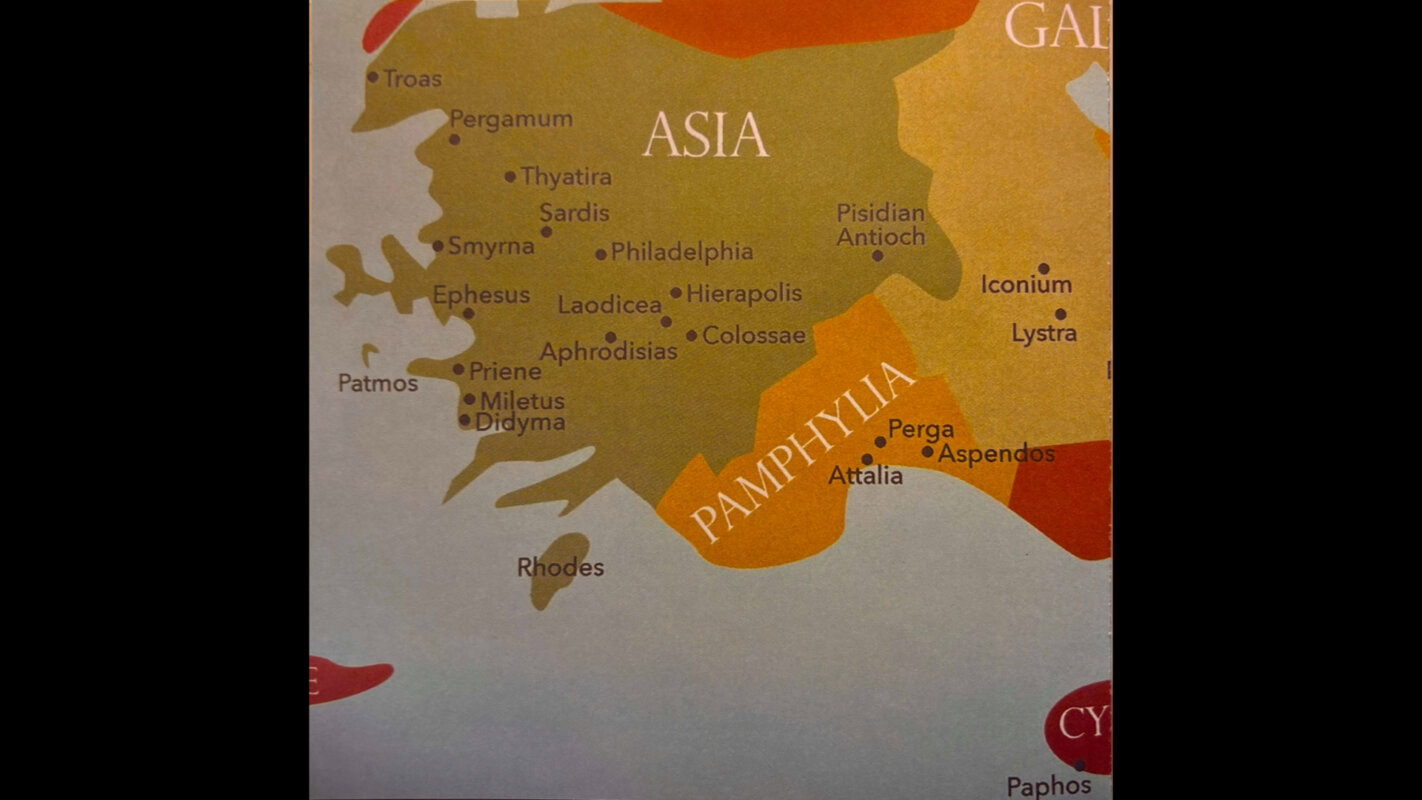
Written by the Apostle John around AD 95 during the reign of the emperor Titus Flavius Domitian
The Apostle Paul mentions the church of Laodicea in his letter to the church of Colossae around AD 50
Address:
Jesus introduces Himself and identifies Himself in a unique way that is connected to the cirrus location and history
Admiration:
Jesus points out an area where the church is excelling. He tells them what they are doing right.
Rebuke:
Jesus calls out an area that needs attention or correction
Command:
Jesus offered instructions, commands, and practical means of redirection for the church to respond
Promise:
Jesus extends to each church a promise that awaits their faith-filled action and endurance
Over the next seven weeks, we are going to walk through the seven letters Jesus dictated to real churches in real cities under real pressure. And here’s the tension we need to feel from the very beginning: these letters are not written to pagans. They are written to churches.
And the uncomfortable truth is this, if we’re honest, there are tendencies in these churches that look uncomfortably familiar. It may not describe every believer. It may not describe every ministry. But it often describes a segment of the church that quietly has influence throughout the church.
Six of the churches hear something affirming from Jesus. Five of them are told plainly, “You need to repent.” Two receive nothing but commendation and praise. And one, Laodicea, receives no praise at all. Not because they were immoral. Not because they were heretical. But because they were known to have water that was lukewarm.
I have traveled to a lot of places over the years, and almost everywhere I have gone, I’ve been given the same warning. Don’t drink the water. Drink bottled water. Be careful with the water. Some places even tell you to brush your teeth with bottled water because the local water will make you sick.
I’ve heard that warning on multiple continents. But I can honestly tell you, the worst water I have ever tasted in my life was not overseas. It was not in a developing nation. It was not in some remote village. It was twenty-eight miles from here.
I was around 15, riding with some friends and their dad, and we stopped at Roy’s BBQ in Chickasha. Trying to be polite, trying to be cheap, and thinking I was making a healthy choice, I ordered water. When I said it, everyone at the table looked at me—but nobody said anything. Even the waitress hesitated and asked, “Are you sure?” When I said yes, she told me she’d bring me some lemons. At that age, I had no idea why water would need lemons.
The food came. BBQ sandwiches. French fries. And a glass of water. I took one sip—and apparently my face said what my mouth didn’t. I tried again. Still terrible. That’s when the waitress smiled and said, “You aren’t from around here, are you? Our water is bad. Let me get you a Coke.”
That moment has stuck with me for years, because there is nothing quite like expecting refreshment and receiving something that makes you recoil instead. That image—bad water—is not just a childhood memory. It is the central metaphor Jesus uses when He speaks to the church in Laodicea.
Comfort Can Disguise Spiritual Drift
(MULTILINE)
Laodicea was wealthy, successful, educated, resourced, and self-sufficient. They had everything a city could want—and everything a church could mistake for health. And yet Jesus says something shocking: He is not inside the church. He is standing outside, knocking.
They Lost Their Passion
(Revelation 3:14–16)

 Image of Colossae water

Heirapolis and the healing waters
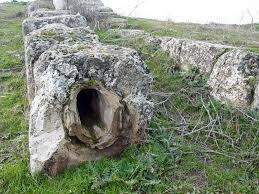
A water pipe in Laodicea
That image of bad water is exactly where Jesus begins His letter to Laodicea. Not with condemnation. Not with anger. But with a diagnosis. When Jesus speaks to this church, He does not exaggerate, and He does not speculate. He says plainly, “I know your works.” In other words, I see you. I know what you’ve built. I know what you rely on. I know what you’ve replaced Me with.
Comfort Dulls Spiritual Urgency
(MULTILINE)
This church had learned how to survive without a source. They had learned how to manage without dependence. And that is why Jesus is outside their church, highlighting their blind spot.
Spiritual Dependence is Replaced by Cultural Comforts
(MULTILINE)
The church had stopped being the church; they felt they had arrived. Instead of continuing to live for the Lord, they began to live for the comforts of the world
They Lost Their Values & Vision
(Revelation 3:17–18)
We can see where Jesus, knowing the church and the context of their city, based on the water, now gives the reason to the church He is bringing condemnation. If Jesus is going to call us out, He is going to tell us why.
Comfort Avoids Conflict at all Costs
(MULTILINE)
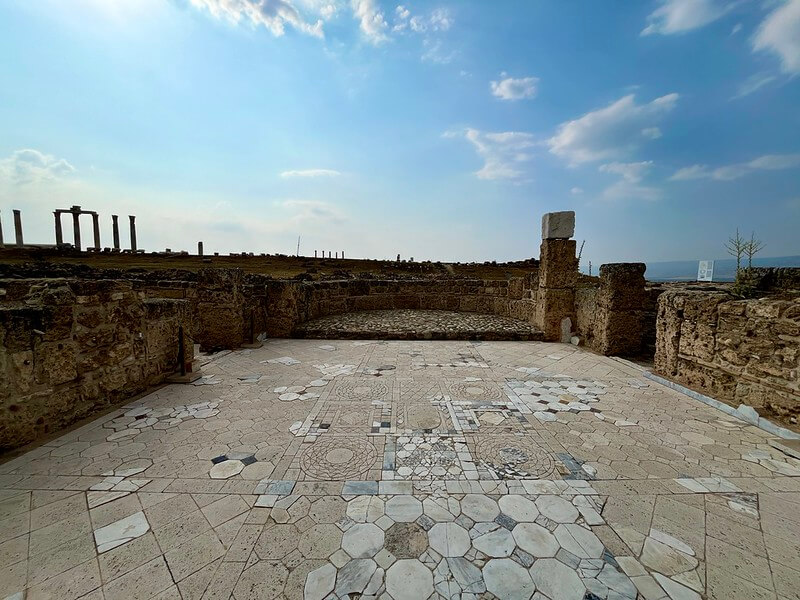
Culture Promises Comfort, Jesus Gives Presence
(MULTILINE)
They Lost Their Love
(Revelation 3:19–22)
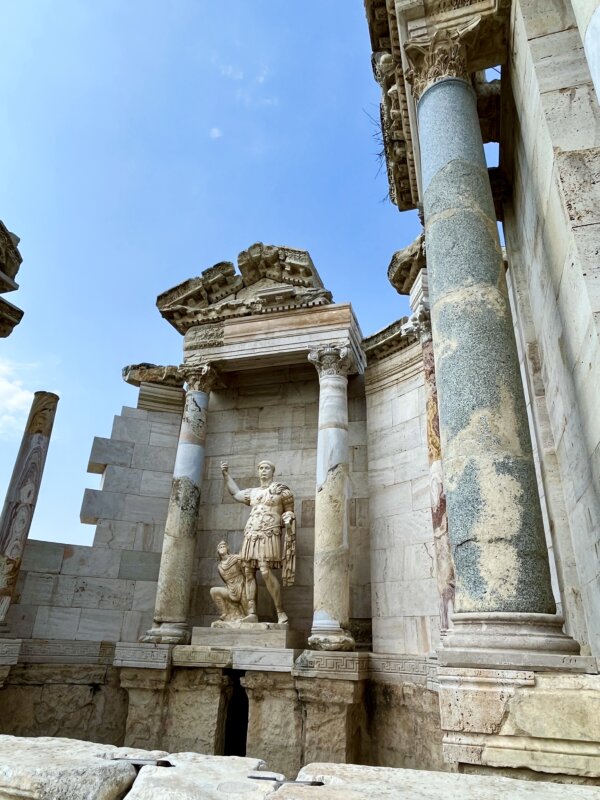
Inviting Jesus In Changes Ordinary Moments into Fellowship
(MULTILINE)
He does not barge in. He does not demand. He knocks. The word John uses for “eat” is deipneo—the main evening meal. The long meal, the unhurried meal, the relational meal. Jesus is saying, “I want to sit with you. I want to dwell with you. I want access to the most ordinary, honest, unguarded parts of your life.”
Jesus Lingers
(MULTILINE)
Jesus rebukes this church not because He has abandoned them—but because He loves them. “Those whom I love, I rebuke and discipline.” Laodicea is not a lost cause. It is a warning church. And the same Jesus who confronts complacency is still standing at the door, still knocking, still offering fellowship, not performance.
The question is not whether Jesus is near. The question is whether He has been invited in.
Reflection & Response
Have you lost your passion for the mission of Jesus Christ?
(MULTILINE)
Are the values and vision in your life different than the expectations of Jesus Christ in your life?
(MULTILINE)
Has the love of comfort replaced your love for Jesus Christ?
(MULTILINE)
Laodicea is not the story of a church Jesus gave up on. It is the story of a church Jesus pursued. He corrects them because He loves them. He confronts them because He is not finished with them. He knocks because He still desires fellowship. And His final promise is stunning. “To the one who is victorious, I will give the right to sit with Me on My throne.”
The church that thought it had everything is offered the one thing that matters most—shared life with Jesus. So as we begin this journey through the seven churches, let this truth settle in our hearts: Revelation is not written to scare the church, but to shape the church. It does not call us to speculation—but to faithfulness. And it begins with a simple, profound question we must all answer: Is Jesus comfortably inside our lives—or patiently waiting outside?